LiFePO4 Battery and Hybrid Inverter Compatibility: What Buyers Should Check
A LiFePO4 battery and a hybrid inverter must work as one system. The battery may have the right voltage and capacity, but the project can still fail if the inverter cannot read the BMS, apply correct charge limits or respond to protection signals.
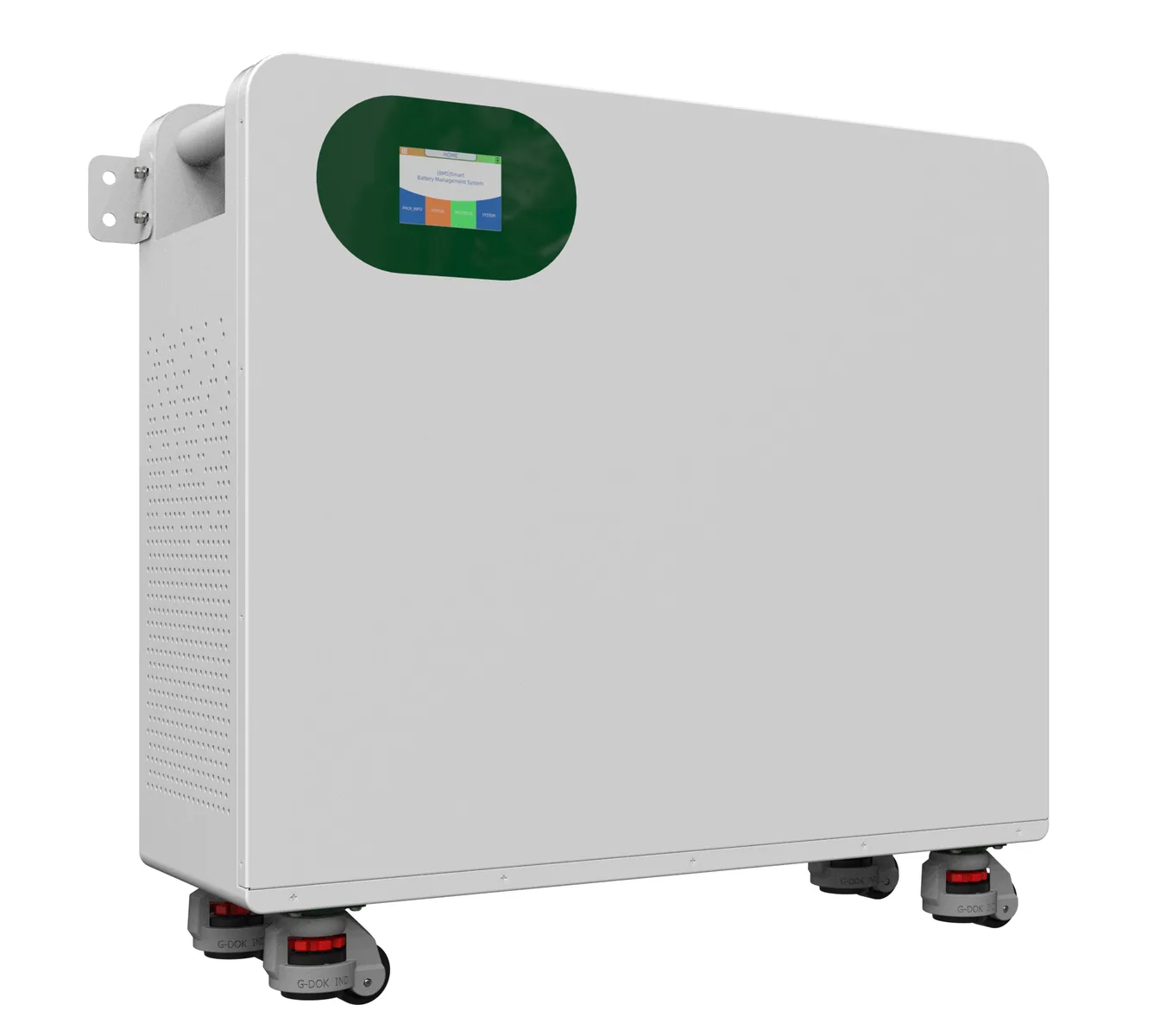
Why inverter compatibility matters
The inverter controls energy flow between solar panels, the grid, loads and the battery. The BMS protects the battery cells by setting voltage, current, temperature and state-of-charge limits. If the two devices do not communicate correctly, the system may charge too aggressively, shut down unexpectedly or operate without accurate battery information.
Confirm the voltage class
Most low-voltage residential storage systems use a 48V nominal battery, often described as 51.2V for LiFePO4 chemistry. High-voltage systems use stacked modules connected in series. A 48V inverter cannot use a high-voltage stack, and a high-voltage inverter usually cannot use a single 51.2V module.
Check CAN, RS485 and protocol support
CAN and RS485 are physical communication interfaces. The actual protocol is the language used across that interface. List the inverter brand, exact model and firmware version, then ask whether the battery BMS has been tested with that inverter.
Build a compatibility checklist
For each project, confirm voltage range, CAN or RS485 protocol, cable pinout, charge and discharge current, parallel battery quantity, SOC display behavior, alarm response and restart behavior after protection.
Conclusion
The best battery for an inverter is not simply the one with the highest capacity. It is the one that matches voltage, communication, current, wiring and protection behavior.
Need inverter matching support?
Send BINGOS your inverter model, system voltage, target capacity and market requirements.