Wall Mounted vs Rack Mounted vs Stacked LiFePO4 Batteries: How to Choose
Wall-mounted, rack-mounted and stacked LiFePO4 batteries can all be used for solar energy storage, but they solve different installation problems. Choosing the right format affects service access, expansion, shipping, installation time and the final look of the system.
Start with the installation site
The right battery format depends on where the system will be installed. A residential garage, utility room, telecom cabinet and small commercial plant all have different space, ventilation, cable routing and service requirements.
Wall-mounted batteries
A wall-mounted LiFePO4 battery is often selected for residential solar storage because it keeps the floor clear and gives a clean visual appearance. The key checks are wall strength, mounting hardware, current rating, communication protocol and whether the installer can safely handle the unit weight.
Rack-mounted batteries
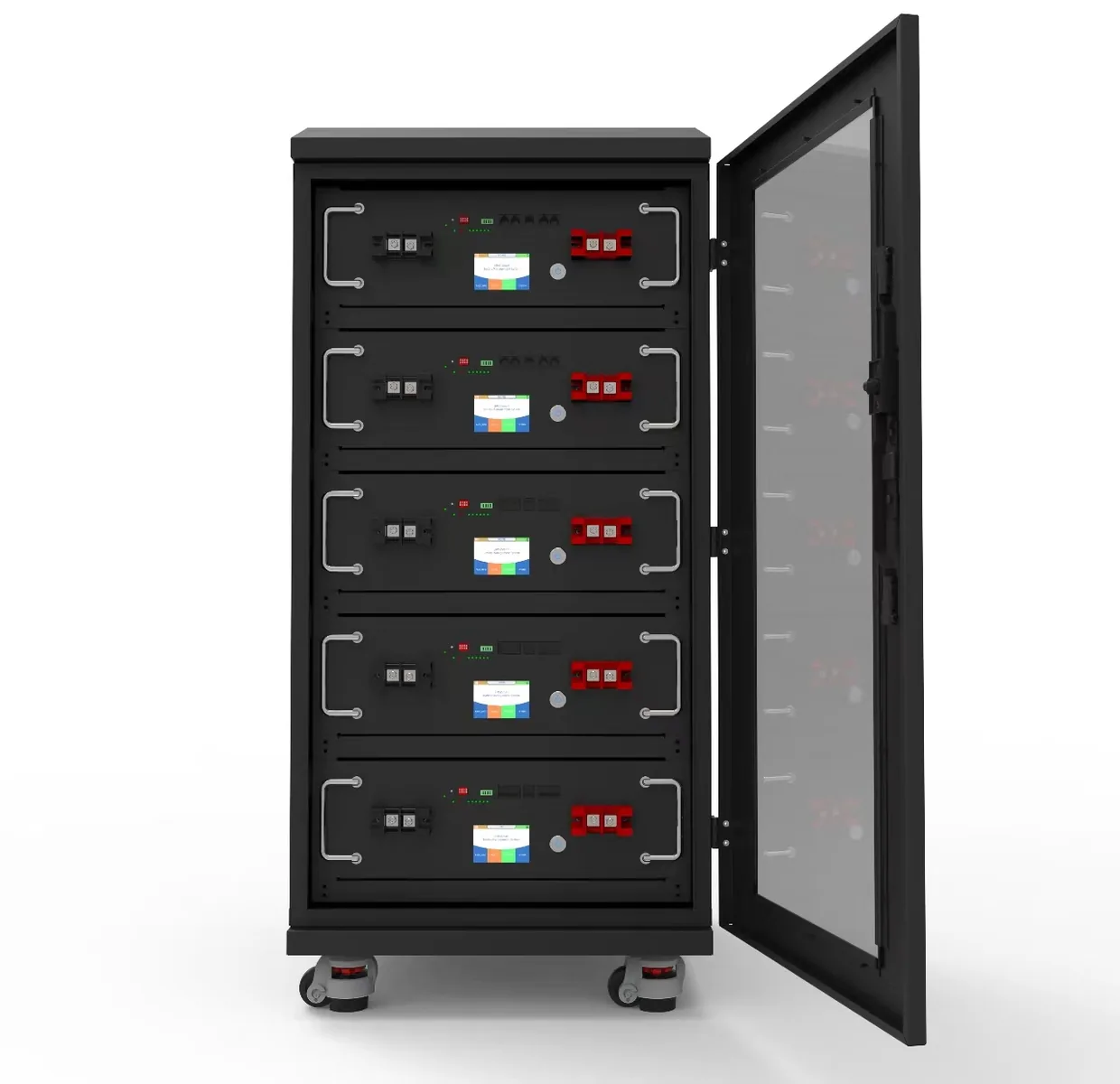
Rack-mounted LiFePO4 batteries are practical when the project needs modular capacity, organized wiring and serviceable equipment layout. They are common in telecom, commercial backup and integrator projects where multiple batteries may be installed together.
Stacked batteries
Stacked systems are designed for a clean floor-standing installation. They can be attractive for residential and light-commercial projects where users want a neat battery system that can expand by adding modules.
Conclusion
There is no single best battery format for every energy-storage project. The best choice is the one that matches the physical site, electrical system and business model.
Comparing battery formats for your market?
Tell BINGOS your inverter model, installation environment, expected capacity and target sales channel.