High Voltage LiFePO4 Battery Systems: When to Choose HV Energy Storage
High-voltage LiFePO4 battery systems are used when a project needs higher inverter efficiency, larger power output or a clean stacked architecture. They can be a strong option for residential and commercial storage, but buyers must pay close attention to inverter approval and installation requirements.
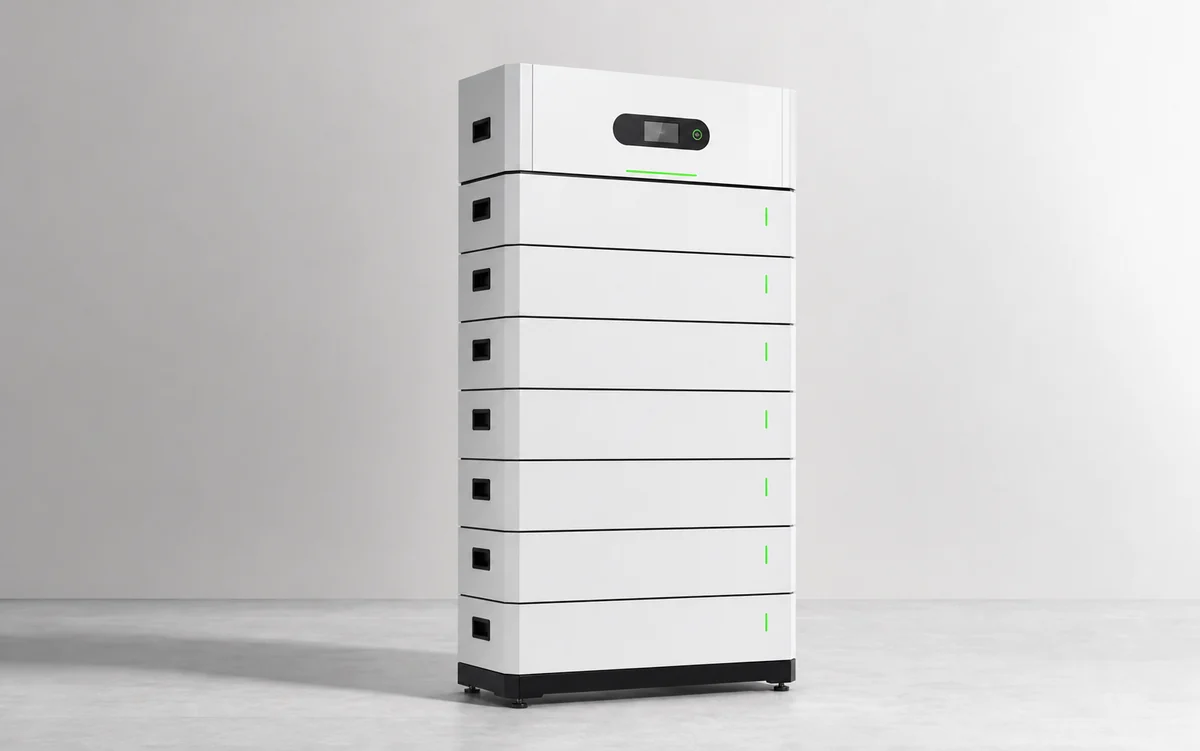
What is a high-voltage battery system?
A high-voltage battery system connects multiple battery modules in series to create a higher DC bus voltage than a standard 48V battery. The exact voltage depends on the module design and the number of modules in the stack.
High voltage vs. 48V low voltage
Low-voltage 48V LiFePO4 batteries are widely used, flexible and familiar to many installers. High-voltage systems are more specialized and are usually matched to specific inverter platforms.
Inverter approval is essential
High-voltage batteries should be selected together with the inverter. Many high-voltage inverters require approved battery models or dedicated protocol support. Physical voltage compatibility alone is not enough.
Module quantity and usable energy
High-voltage battery stacks are configured by module quantity. Adding or removing modules changes system voltage and energy capacity, so the module count must stay within the inverter operating window.
Conclusion
A high-voltage LiFePO4 battery can be the right choice for modern storage systems, but it must be treated as a matched system rather than a generic battery.
Planning a high-voltage battery project?
Send BINGOS your inverter model, voltage range, capacity target and market requirements.